No food will shrink an enlarged prostate, but several make symptoms worse: caffeine, alcohol, spicy food, high-sodium or processed food, red and processed meat, and excess dairy. On the helpful side, vegetables, fatty fish, nuts and seeds, and tomatoes have the best evidence for supporting prostate and bladder health.
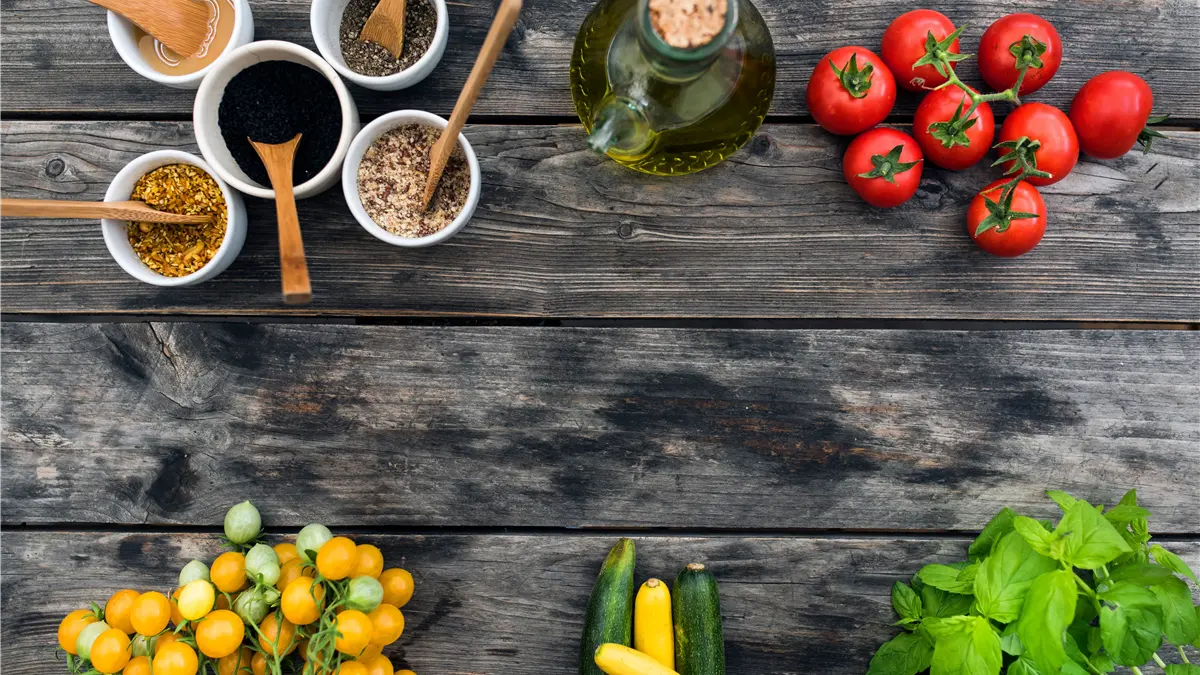
Diet and BPH at a glance:
| Question | Short answer |
|---|---|
| Can food shrink the prostate? | No |
| Worst for symptoms | Caffeine, alcohol, spicy food, high-sodium/processed food, red/processed meat, excess dairy |
| Best for symptoms | Cooked tomatoes, cruciferous vegetables, fatty fish, nuts/seeds, green tea |
| Fastest fix | Cutting caffeine and alcohol after early afternoon |
| Biggest lever overall | Managing weight and metabolic health, not any single food |
Does diet actually affect an enlarged prostate?
Partly, but not the way supplement ads suggest. No food shrinks a prostate that's already enlarged. What diet does do: certain foods and drinks irritate the bladder, worsening urgency and nighttime trips right away, while long-term eating patterns influence how fast BPH progresses, mostly through weight, inflammation, and metabolic health.
So diet won't reverse an enlarged prostate. But the right changes can mean fewer bathroom trips this week, and possibly slower progression over years.
Which Foods and Drinks Make BPH Worse?
Six stand out: caffeine and alcohol (both bladder irritants and diuretics), spicy food (can irritate the bladder lining), high-sodium and processed food (linked to fluid retention), red and processed meat (tied to higher BPH rates in large studies), and excess dairy or calcium in high doses. Here's why each matters.
1. Caffeine
Coffee, black tea, energy drinks, and some sodas are diuretics (they make your kidneys produce more urine) and bladder irritants at the same time. For a prostate that's already restricting flow, that's the worst combination: more urine, produced faster, through a narrower opening. Cutting caffeine after early afternoon is one of the simplest changes with a fast, noticeable effect.
2. Alcohol
Like caffeine, alcohol is a diuretic. It also relaxes the bladder muscle in ways that can worsen urgency and make it harder to fully empty your bladder. Evening drinking in particular tends to show up as extra nighttime trips to the bathroom.
3. Spicy Foods
Capsaicin, the compound that makes chili peppers hot, can irritate the bladder lining in some men, intensifying urgency and a burning sensation during urination. Not every man with BPH reacts to spicy food, but if you notice a pattern after a hot meal, it's worth cutting back.
4. High-Sodium and Processed Foods
Diets heavy in sodium are associated with more severe lower urinary tract symptoms in several population studies. The likely mechanism involves fluid retention and its effects on bladder pressure and function. Processed foods (canned soups, deli meat, fast food, packaged snacks) are the biggest sodium sources for most people, often without tasting obviously salty.
5. Red and Processed Meat
Multiple large observational studies have found that men who eat the most red and processed meat have higher rates of BPH than men who eat the least. This doesn't prove meat itself is the cause (the pattern likely reflects a broader diet high in saturated fat and low in fiber and vegetables), but it's consistent enough across studies to take seriously.
6. Excess Dairy and Calcium
The evidence here is mixed rather than one-directional. Some studies link very high dairy and calcium intake to a modest increase in prostate issues, though the research is inconsistent and dose matters: normal dietary dairy (a glass of milk, some cheese) is different from high-dose calcium supplementation. Moderation, not elimination, is the reasonable takeaway.
Which Foods Help Prostate and Bladder Health?
These have the most consistent supporting evidence for prostate and bladder health: cooked tomatoes (lycopene), cruciferous vegetables, fatty fish, nuts and seeds like pumpkin, green tea, and water spaced out through the day instead of cut back entirely. None of them are a cure, and none replace medical treatment, but they're a solid, evidence-backed addition to how you eat.
- Tomatoes (cooked): Rich in lycopene, an antioxidant studied for prostate health. Cooking (sauce, paste, soup) increases how much lycopene your body actually absorbs compared to raw tomatoes.
- Cruciferous vegetables: Broccoli, cauliflower, and Brussels sprouts contain compounds under study for their role in prostate cell health. They're also high in fiber, which supports the weight management that matters more than almost anything else on this list.
- Fatty fish: Salmon, sardines, and mackerel provide omega-3 fatty acids, associated with lower inflammation, relevant since chronic inflammation is thought to play a role in BPH progression.
- Nuts and seeds: Pumpkin seeds in particular are a natural source of zinc and beta-sitosterol, a plant compound with some of the better clinical evidence among natural prostate ingredients.
- Green tea: Contains polyphenols that have been studied for prostate health, though most human evidence so far is preliminary.
- Water, timed well: Don't cut fluids out; dehydration concentrates urine and irritates the bladder too. The better move is drinking most of your water earlier in the day. For a full breakdown, see our guide to sleeping through nocturia.
What Matters More Than Any Single Food?
If you only change one thing, make it this: obesity and metabolic syndrome (high blood sugar, high blood pressure, abnormal cholesterol, excess abdominal fat) are consistently linked to larger prostates and faster progression. A diet that manages weight and blood sugar does more for your prostate long-term than any single "superfood" ever will.
This is also why the foods to avoid and the foods to favor overlap so heavily with general heart-healthy, diabetes-conscious eating. There's no secret prostate diet separate from the diet your cardiologist would already recommend.
If you're also looking at supplements alongside diet changes, our ingredient-by-ingredient ProstaVive review breaks down which compounds have real evidence behind them.
When Should You See a Doctor?
Diet changes help, but they're not a substitute for medical evaluation if your symptoms are moderate to severe, if you're waking 3 or more times nightly despite adjustments, if you notice blood in your urine, pain, or fever, or if you can't urinate at all; that's an emergency.
- Symptoms are moderate to severe (frequent urgency, weak stream, incomplete emptying)
- You're waking 3+ times a night despite fluid and diet adjustments
- You notice blood in your urine, pain, or fever
- You can't urinate at all (seek care immediately; this is an emergency)
For the full picture of symptoms and treatment options, start with our enlarged prostate (BPH) guide.
Frequently asked questions
Can changing my diet shrink an enlarged prostate?
No. No food or diet has been shown to shrink a prostate that has already enlarged. Diet changes can reduce bladder irritation and, over the long term, support a healthier weight and metabolism, both linked to slower BPH progression. Think of food as symptom management and prevention, not treatment.
Is coffee really bad for an enlarged prostate?
Coffee itself doesn't enlarge the prostate, but caffeine is a diuretic and a bladder irritant. For men with BPH, that combination means more frequent and more urgent trips to the bathroom. Cutting back, especially after early afternoon, is one of the fastest ways to notice fewer symptoms.
Does eating red meat cause an enlarged prostate?
The evidence is observational, not proof of cause and effect. Several large population studies have found men who eat the most red and processed meat have higher rates of BPH than men who eat the least. It's likely one piece of a larger pattern involving saturated fat, inflammation, and body weight, rather than meat alone.
Do tomatoes and lycopene really help the prostate?
Lycopene, the antioxidant that gives tomatoes their red color, has been studied for prostate health, mostly around prostate cancer risk rather than BPH symptoms. The evidence is promising but not definitive. Cooked tomatoes (sauce, paste) have more bioavailable lycopene than raw ones, so they're a reasonable addition to your diet regardless.
How much water should I drink if I have an enlarged prostate?
Don't cut water out entirely; dehydration concentrates urine and can irritate the bladder further. The better strategy is timing: drink most of your fluids earlier in the day and taper off 2–3 hours before bed. This keeps you hydrated without flooding your bladder overnight.

Elizabeth Miller
Elizabeth founded The Prostate Post after watching her husband deal quietly with prostate and urinary symptoms for a long time before he was willing to try anything for it. She personally researches every ingredient and study cited on this site, checking marketing claims against the primary literature. She is not a doctor; nothing here replaces medical advice.
Sources
- NIH/National Institute of Diabetes and Digestive and Kidney Diseases: "Prostate Enlargement (BPH)"
- Mayo Clinic: "Benign Prostatic Hyperplasia (BPH): Lifestyle and Home Remedies"
- American Urological Association: "BPH Guideline" (2023)
- Harvard Health Publishing, Harvard Medical School: "Diet and an Enlarged Prostate"
- Urology Care Foundation: "Benign Prostatic Hyperplasia (BPH)"
- Mayo Clinic: "Benign Prostatic Hyperplasia (BPH)" (2024)
Medical disclaimer: The Prostate Post is an independent publication. Our content is for informational purposes only and is not medical advice, diagnosis, or treatment. Always talk to your doctor about urinary or prostate symptoms, especially before starting any medication or supplement, or making major dietary changes. Statements about dietary supplements have not been evaluated by the Food and Drug Administration; supplements are not intended to diagnose, treat, cure, or prevent any disease.