Waking two or more times a night to urinate is called nocturia. In men over 50, the most common cause is an enlarged prostate, but evening fluids, caffeine, alcohol, sleep apnea, certain medications, overactive bladder, diabetes, and fluid retention can all cause the same 3 a.m. wake-up. The fix depends on the cause.
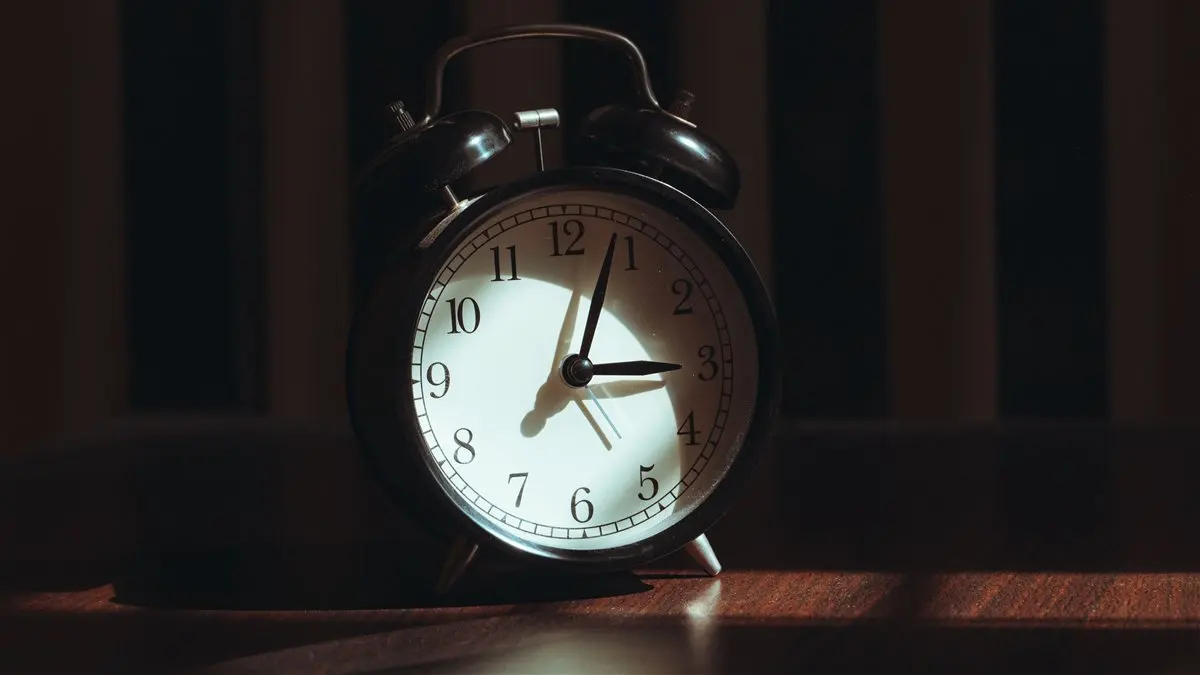
The alarm clock says 3:12. Again. If your nights have quietly turned into a shuttle service between bed and bathroom, this article walks through the seven most common causes in men (including how to tell which one is probably yours) and what actually helps for each.
Nocturia at a glance:
| Question | Short answer |
|---|---|
| What counts as nocturia | Waking 2+ times a night, most nights |
| How common | 1 in 3 adults over 30 wake 2+ times a night |
| Most common cause (50+) | Enlarged prostate (BPH) |
| Other common causes | Evening fluids, caffeine/alcohol, sleep apnea, diuretics, overactive bladder, diabetes, fluid retention |
| Fastest fixes | Cut fluids 2–3 hrs before bed, less evening caffeine/alcohol, double voiding |
How many times a night is too many?
Once per night is generally considered within normal limits, especially past age 60. Two or more times, most nights, is called nocturia — a real, well-defined medical finding, not just an annoying habit. It's common, it gets more common with age, and it's usually caused by something treatable.
adults over age 30 makes at least two bathroom trips per night, according to the Urology Care Foundation, and prevalence climbs steeply with age.Source: Urology Care Foundation: Nocturia
Why care? Fragmented sleep is not free. Chronic nocturia is linked to daytime fatigue, worse mood, and (in older men) a higher risk of nighttime falls. And it's often the first visible sign of something treatable.
What are the 7 most common causes of nocturia in men?
The seven most common causes are an enlarged prostate, drinking fluids too close to bedtime, caffeine and alcohol, sleep apnea, certain medications like diuretics, overactive bladder or diabetes, and fluid retention that shifts into the bladder overnight. Each has a different telltale pattern, covered below.
1. An enlarged prostate (BPH): the usual suspect after 50
A growing prostate squeezes the urethra, so the bladder never quite empties. The leftover urine shortens the time until the next urge, day and night. Telltale pattern: nocturia plus weak stream, hesitancy, or dribbling. If that sounds familiar, read our complete Enlarged Prostate (BPH) Guide. It covers the full diagnosis and treatment map.
2. Your evening fluid habits
The most fixable cause on the list. A big glass of anything within two hours of bed (especially tea, soda, or "healthy hydration" habits carried into the evening) reliably produces a night trip. The bladder doesn't grade fluids on virtue.
3. Caffeine and alcohol
Both are double trouble: they increase urine production and irritate the bladder. Alcohol also suppresses vasopressin, the hormone that normally tells your kidneys to slow down overnight. That nightcap is often the 3 a.m. appointment, booked in advance.
4. Sleep apnea: the cause almost nobody suspects
Obstructive sleep apnea triggers hormonal changes (including release of atrial natriuretic peptide) that make the kidneys produce more urine at night, per research summarized by the Sleep Foundation. Telltale pattern: nocturia plus loud snoring, gasping awakenings, or daytime sleepiness. Treating the apnea frequently reduces the bathroom trips.
5. Medications: especially diuretics
Water pills for blood pressure do exactly what the name says; taken late in the day, they schedule your wake-up. Some antidepressants and calcium-channel blockers can contribute too. Never stop a medication on your own, but do ask your doctor whether the timing can move earlier.
6. Overactive bladder or diabetes
Overactive bladder produces sudden, intense urges around the clock, often with small volumes. Poorly controlled diabetes pushes excess glucose into urine, dragging water with it: classic signs are high volumes plus unusual thirst. A simple blood test settles the diabetes question.
7. Fluid retention (legs by day, bladder by night)
If your ankles swell by evening (from long sitting, vein problems, or heart issues), that fluid re-enters circulation when you lie down, and the kidneys dutifully process it. Telltale pattern: sock marks at night and multiple high-volume trips. Elevating your legs for an hour in the early evening helps move that fluid before bedtime.
How do you stop peeing so much at night?
Start with the free fixes: cut fluids 2–3 hours before bed, skip late caffeine and alcohol, double void before lights out, and elevate swollen ankles in the evening. If a diuretic is involved, ask your doctor about timing. Give it 2–4 weeks before expecting full results.
- Cut fluids 2–3 hours before bed and front-load your drinking earlier in the day.
- No caffeine after mid-afternoon; go easy on evening alcohol.
- Double void: urinate, wait 30 seconds, try again, right before lights out.
- Elevate your legs in the early evening if you have any ankle swelling.
- Ask about medication timing if you take a diuretic.
- Track it for a week: a simple note of trips and volumes gives your doctor gold-standard information.
Give consistent habit changes 2–4 weeks. If nocturia persists (or comes with weak stream, urgency, snoring, or thirst), it's time for a proper diagnosis. The causes above are all manageable, and most are very treatable.
Wondering about supplements marketed for exactly this symptom? Read what the research actually shows about saw palmetto and our ingredient-by-ingredient ProstaVive review before spending anything.
Frequently asked questions
How many times is it normal to pee at night?
Once per night is generally within normal limits, especially after 60. Two or more times on most nights is clinically defined as nocturia and worth discussing with a doctor, particularly if it's gradually getting worse.
Does peeing a lot at night always mean prostate problems?
No. An enlarged prostate is the most common cause in men over 50, but evening fluids, caffeine or alcohol, sleep apnea, diuretics, overactive bladder, diabetes, and fluid retention can all cause the same symptom. The surrounding pattern (stream strength, snoring, thirst, ankle swelling) points to the culprit.
How can I stop waking up at night to pee?
Stop fluids 2–3 hours before bed, cut caffeine after mid-afternoon, limit evening alcohol, double void before sleep, and elevate your legs in the early evening if your ankles swell. If it persists after 2–4 weeks, get checked for BPH, sleep apnea, and other treatable causes.
Is waking up to pee twice a night dangerous?
Rarely dangerous in itself, but not harmless: fragmented sleep drives daytime fatigue and raises fall risk in older men. More importantly, it can be the first visible sign of a treatable condition: BPH, sleep apnea, or diabetes.

Elizabeth Miller
Elizabeth founded The Prostate Post after watching her husband deal quietly with prostate and urinary symptoms for a long time before he was willing to try anything for it. She personally researches every ingredient and study cited on this site, checking marketing claims against the primary literature. She is not a doctor — nothing here replaces medical advice.
Sources
- Urology Care Foundation: Nocturia
- NIDDK (NIH): Enlarged Prostate (BPH)
- Sleep Foundation: Nocturia: Causes and Treatments for Frequent Urination at Night
- Mayo Clinic: BPH: Symptoms and Causes